Are there constructive uses of AI in game development and design?
AI is everywhere, it has been genuinely astonishing the speed it has inserted itself into things it probably has no place being. When most people think of AI, they think of Generative AI (aka GenAI) which is one type of AI engine, used to create content based on a prompt and referring to a library of similar content created previously by humans or other AI content generators. But the new rising star of the AI world is Agentic AI, referring to autonomous decision agents that can operate within specific constraints and plan or problem solve towards a defined goal.
There has been a lot of pushback in gaming circles against the use of AI generated art assets or AI based programming. So is there a use case for AI in gaming that will be a positive experience for gamers that doesn’t steal from human artists? Let’s look at some ways that AI might help developers make games rather than supplanting them (or making their jobs harder).
Make tough animation tasks easier
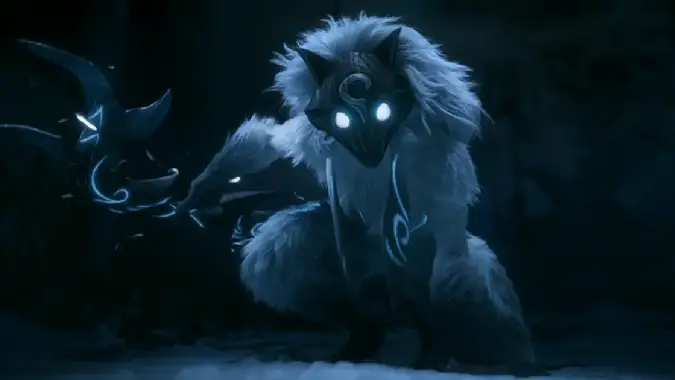
I watched an excellent video essay recently on the evolution of the animation of hair by Disney animation: it looked at the new digital animation technologies they had to create in order to make 3d animated hair behave in a realistic way on screen without an animator manually adjusting every movement of every strand. Anyone who plays a Warcraft character with longer hair and has wanted to wear a neat hat would be very familiar with the number of clipping issues WoW has with hair, but things can get so much worse.
Traditional hand drawn animation has the concept of tweening, a process where a lead artist draws the key frames and then junior artists draw the interstitial frames in between. AI could potentially be used in a similar way to provide more realistic movement of our characters or greater customization of character models to allow for different body types, to support a variety of physical disabilities or skin colors. Game developers and artists could create the unique character concepts and artwork, and they could use AI models to assist in animating the models for a wider range of expressions.
Improve NPC pathing and reactions
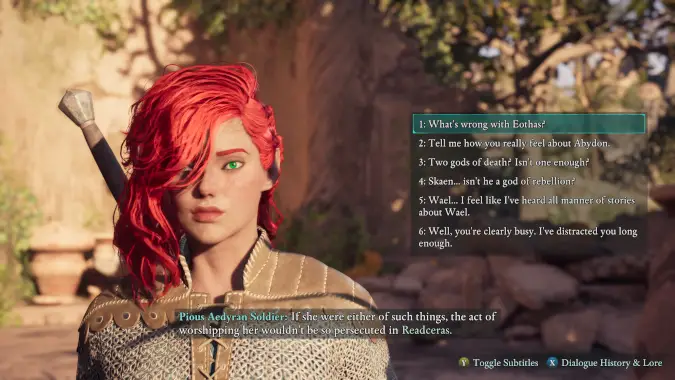
We have all been in a dungeon group where someone’s pet or minion has pulled an unwanted mob or pack when the rest of the group has tried to take a shortcut or even just move around a corner. Or had a particularly annoying escort quest where the NPC won’t cooperate, moves too fast or too slow or wanders off or sits there doing nothing. While there have definitely been improvements in NPC pathing in recent years, AI engines could make them these NPCs more intelligent, and better able to respond to the environment around them. It would be great if NPC companions didn’t wander into traps or through packs while following, or would wait to go gather if there’s an enemy mob next to a resource node.
More intelligent pathing could also help groups of NPCs behave in ways that make the game worlds feel more alive. Instead of pre-programmed loops, they could be given personas that will guide how they react to stimuli, so they might react differently based on the in game time of day, or if someone in armor walks past them, or if someone tries to pickpocket them and fails (would they remember?), or to react to seasonal events, etc… developers wouldn’t need to prescriptively code each interaction, the AI bot could make its own decisions on how the NPC would behave, potentially evolving over time. Chatbot technology could result in more natural conversational styles in character interactions instead of clunky dialog options.
Improve accessibility and adjust difficulty
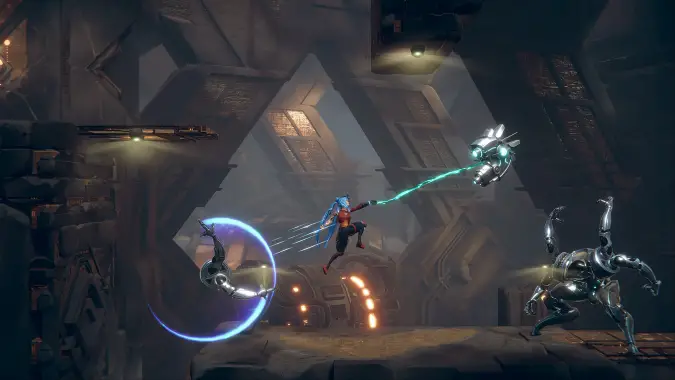
There are games that have some type of adjustable difficulty pre-programmed already, often treated like a luck mechanic: if you fail multiple times at an in-game activity, the game will eventually either give you a bonus, or present you with a simpler version of the encounter. But that only works for the encounters where the developers explicitly built that functionality, and it’s generally limited to either a straight damage or health buff or nerf, or to the specific version of a problem presented to the player. Having a game learn your skill level, gradually ramp difficulty up to account for improvements in skill and be able to ramp back down again to make things easier if you get stuck. This could lead to more satisfying gameplay, while at the same time not locking people out of games who have specific accessibility needs that can limit participation with some game modes — the difficulty could adjust automatically to everyone’s needs. Jumping puzzles are my very real kryptonite.
As we enhance and develop these technologies, I’m sure we will discover many more applications for them. The key will be to leverage what these tools can do for us, while still retaining the humanity of our creations. Games and play are critical parts of our shared cultural experience, we use them to relay the modern equivalents of myths and legends, to tell stories that convey important messages, to teach skills, and to explore who we are as a species through the choices we make. That still requires the intent and the creative spark that comes from a having a human guiding the digital brush or pen.
Please consider supporting our Patreon!
Join the Discussion
Blizzard Watch is a safe space for all readers. By leaving comments on this site you agree to follow our commenting and community guidelines.